Australian Pokie Bet Caps: The State-by-State Divide Explained
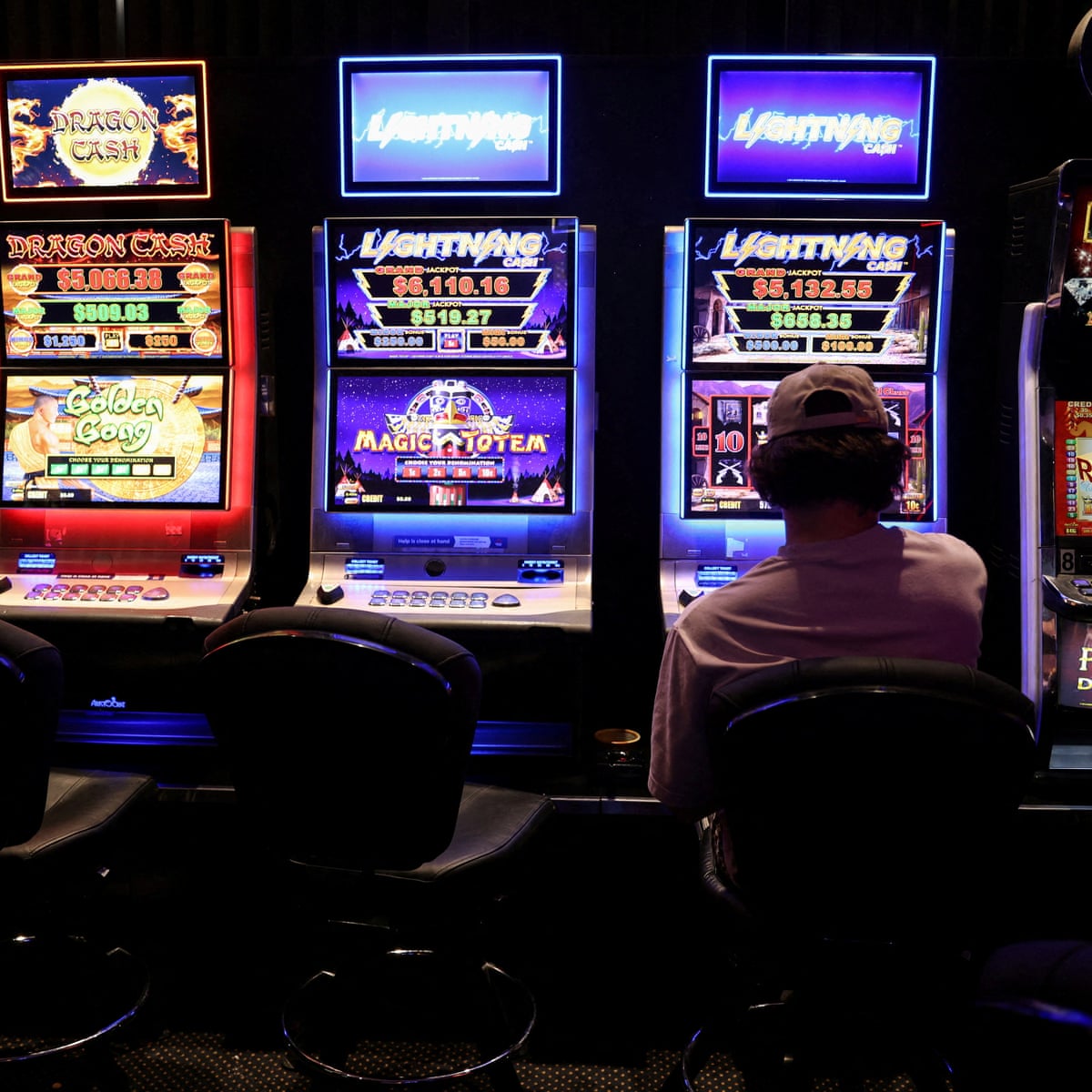
The Great Australian Divide: Why Your Maximum Bet Depends on Geography
Walk into a pub in Sydney, then cross the border into Melbourne, and you’ll encounter dramatically different maximum betting limits on poker machines. This isn’t coincidence—it’s the result of a complex web of state-based regulations that has created one of the world’s most fragmented gambling landscapes. While live casino games like Evolution Gaming’s Crazy Time maintain consistent betting ranges across online platforms such as HellSpin casino, land-based pokies operate under a patchwork of state laws that can confuse even seasoned players.
The disparity is staggering. In some states, you can wager up to $10 per spin on a standard poker machine, while others cap bets at just $1. These differences aren’t arbitrary—they reflect decades of political battles, public health concerns, and economic considerations that vary dramatically across Australia’s six states and two territories.
Understanding these variations isn’t just academic curiosity. For players who travel frequently or relocate, knowing what to expect can prevent unpleasant surprises. More importantly, these limits reflect broader attitudes toward gambling harm minimization and reveal how different jurisdictions balance entertainment with protection.
New South Wales: The $10 Frontier and Its Consequences
New South Wales operates under some of Australia’s most liberal pokie betting limits, allowing maximum bets of up to $10 per spin on most machines outside of casinos. This figure hasn’t changed since 2019, despite mounting pressure from anti-gambling advocates who argue these limits contribute to problem gambling rates that affect approximately 0.7% of the NSW adult population—roughly 42,000 people according to 2026 state gambling surveys.
The $10 limit applies to poker machines in clubs and pubs, but there’s a crucial distinction many players miss: machines in different venues can have different maximum bets programmed in, even within the same suburb. Club managers often set lower limits voluntarily, particularly in areas with higher rates of gambling-related harm.
“The $10 maximum in NSW creates a false sense of uniformity,” explains Dr. Sarah Mitchell, a gambling policy researcher at the University of Sydney. “What many don’t realize is that individual venues can—and often do—set much lower limits. We’ve documented cases where neighboring clubs have maximum bets differing by 400%.”
The high betting limits in NSW have coincided with the state generating approximately $2.8 billion in poker machine revenue during the 2025-26 financial year, making it Australia’s largest gambling market by revenue. This economic reality complicates reform efforts, as any significant reduction in betting limits could impact state tax revenue and club viability.
Victoria’s Measured Approach: The $5 Compromise
Victoria’s $5 maximum bet limit represents what many policy experts consider a middle ground between harm minimization and industry viability. Introduced in 2020 as part of broader gambling reforms, this limit applies to all poker machines outside Crown Casino, creating genuine uniformity across the state’s 27,000+ machines.
The Victorian approach extends beyond simple bet limits. The state has implemented what’s known as “load-up limits”—restrictions on how much cash players can insert into machines within specific timeframes. Players can load a maximum of $1,000 per session, with mandatory breaks required after two hours of continuous play.
Victorian gambling venue operators initially resisted the $5 limit, predicting significant revenue losses. However, 2026 data suggests their fears were largely unfounded. Total poker machine expenditure in Victoria decreased by only 8% following the limit introduction, while the number of active players remained relatively stable at approximately 280,000 regular users.
The state’s approach has garnered international attention, with gambling regulators from New Zealand and the United Kingdom studying Victoria’s model for potential implementation in their jurisdictions.
Queensland’s Dual Standard: Casino vs Community Venues
Queensland operates one of Australia’s most complex betting limit structures, maintaining different maximum bets for different types of venues. Community clubs and pubs face a $5 maximum bet limit, while casino poker machines can accept bets up to $25 per spin—a five-fold difference that reflects the state’s attempt to distinguish between “community gambling” and “destination gambling.”
This dual approach creates interesting dynamics. Players seeking higher-limit action must visit one of Queensland’s casinos, concentrating high-stakes pokie play in regulated environments with enhanced responsible gambling measures. The strategy appears to be working: problem gambling rates in Queensland have remained stable at 0.5% of the adult population over the past three years, despite the state’s growing tourism industry.
The geographical distribution of Queensland’s venues adds another layer of complexity. In remote areas where the nearest casino might be hundreds of kilometers away, the $5 community venue limit effectively caps all local poker machine gambling. This has created what researchers call “gambling deserts”—areas where high-limit gambling simply isn’t accessible without significant travel.
South Australia’s Progressive Stance: Leading the Low-Limit Movement
South Australia has emerged as Australia’s most restrictive jurisdiction for poker machine betting, implementing a $1 maximum bet limit across all non-casino venues in 2023. This dramatic reduction from previous limits of up to $10 represents the most aggressive harm minimization approach in the country.
The $1 limit wasn’t implemented overnight. South Australia used a graduated approach, reducing limits from $10 to $5 in 2021, then to $2 in 2022, before reaching the current $1 maximum. This phased implementation allowed venues and players to adjust gradually, minimizing economic disruption.
Early results suggest the approach is achieving its intended goals. Problem gambling help-seeking in South Australia decreased by 23% between 2023 and 2026, while venue revenue declined by only 15%—a smaller impact than many predicted. The state’s 850 venues have adapted by focusing on lower-intensity gambling experiences and diversifying revenue streams.
“South Australia’s $1 limit proves that significant harm reduction is possible without destroying the industry,” notes Professor James Chen, director of the Australian Institute for Gambling Research. “The key was the gradual implementation and comprehensive support for venues during the transition.”
Western Australia: The Unique Casino-Only Model
Western Australia maintains Australia’s most restrictive poker machine environment, with gaming machines available only at Crown Perth and Burswood Entertainment Complex. This unique model means discussing “maximum bet limits” in WA is really discussing casino limits, which currently sit at $25 per spin for most machines.
The absence of community venue poker machines makes WA an interesting case study. Despite having no pub or club pokies, Western Australia generates approximately $280 million annually from its limited casino-based machines—roughly $125 per adult resident, compared to $650 per adult in NSW.
This concentrated approach creates different gambling patterns. WA residents who want to play pokies must make a deliberate decision to visit a casino, rather than encountering machines during routine social activities. Research suggests this “destination gambling” model reduces impulsive play and associated harms.
The WA model faces ongoing pressure from venue operators who argue that allowing poker machines in clubs and pubs would generate significant tax revenue and reduce illegal gambling. However, public polling consistently shows strong support for maintaining the current restrictions, with 67% of WA residents opposing any expansion of poker machine availability.
The ACT and Northern Territory: Small Jurisdictions, Big Differences
Australia’s territories present fascinating contrasts in their approach to poker machine regulation. The Australian Capital Territory implements a $2 maximum bet limit across its 280 machines, while the Northern Territory allows up to $10 per spin—matching NSW’s liberal approach despite serving a much smaller population.
The ACT’s approach reflects its urban, highly educated demographic and strong political influence of harm minimization advocates. With only four licensed venues operating poker machines, the territory can implement and monitor restrictions more easily than larger states. The $2 limit, introduced in 2022, has been accompanied by mandatory pre-commitment systems that require players to set spending limits before beginning play.
Northern Territory’s higher limits reflect different priorities and challenges. With a dispersed population and limited entertainment options in remote communities, poker machines often serve as primary recreational activities. The $10 limit recognizes this reality while attempting to balance harm concerns with social and economic factors.
The NT’s approach includes unique provisions for remote Indigenous communities, where special consultation processes must occur before any venue can install poker machines. This has resulted in several communities choosing to remain poker machine-free, despite the potential for venue revenue.
The Technology Factor: How Modern Machines Complicate Simple Limits
Understanding maximum bet limits requires grasping how modern poker machines actually work. Today’s machines don’t just accept single-line bets—they offer multiple paylines, bonus features, and variable credit denominations that can make the relationship between “maximum bet” and actual spending far more complex than simple dollar amounts suggest.
A machine with a $5 maximum bet might offer 50 paylines, meaning players can effectively wager $250 per spin by betting the maximum on every line. State regulations address this through various mechanisms: some cap the total bet per spin regardless of lines played, while others limit the bet per line but allow unlimited line activation.
These technical complexities create enforcement challenges. Venue operators must ensure their machines comply with state limits while manufacturers design games that remain engaging within regulatory constraints. The result is an ongoing technological arms race between innovation and regulation.
Modern machines also incorporate features that can amplify the impact of betting limits. “Buy-a-bonus” features, where players can purchase direct access to bonus rounds, effectively allow higher per-spin expenditure even within stated bet limits. Some states have banned these features entirely, while others regulate them as separate from standard bet limits.
Cross-Border Implications: When Players Travel
The patchwork of Australian betting limits creates practical challenges for travelers and creates what economists call “gambling tourism.” Players from restrictive states may specifically travel to jurisdictions with higher limits, concentrating problem gambling risks in border communities.
Border towns between NSW and Victoria report noticeable increases in poker machine revenue on weekends, as Victorian residents cross state lines seeking higher betting limits. This phenomenon has prompted discussions about national harmonization, though political realities make such coordination unlikely in the near term.
The travel factor also affects how players understand and respond to different limits. A regular $10-per-spin player from NSW might find South Australia’s $1 limit frustratingly restrictive, while SA residents visiting NSW might be overwhelmed by suddenly available higher limits.
These cross-border dynamics highlight the limitations of state-by-state approaches to gambling regulation. While states can control their own venues, they cannot control where their residents choose to gamble, potentially undermining local harm minimization efforts.



Post Comment